

This Is the Most Simple Tutorial There Is to Teach You All About Grilling
Grilling sounds like one of those things everyone else magically knows how to do.
Someone hands you tongs, points you toward a hot grill, and suddenly you’re supposed to know what “medium-high heat” means, when to flip chicken, why burgers stick, and whether vegetables are supposed to look “charred” or “accidentally abandoned.”
Good news: grilling is way easier than it looks.
This is your no-stress, no-fancy-equipment, no-grill-master-attitude-needed guide to grilling. We’ll cover how to grill, what to grill, how to know when food is done, and how to make everything taste like you planned it days in advance — even if you decided what’s for dinner 20 minutes ago.
Let’s fire it up.
The Quick Answer: How Do You Grill?
To grill food, preheat your grill, clean the grates, lightly oil the food or grates, cook over the right heat level, flip only when needed, and use a meat thermometer for doneness. Let meat rest before slicing so the juices stay inside.
That’s the whole foundation.
Grilling is really just cooking with direct heat, usually from below. The grill gives food that smoky, sizzling, slightly crisp outside that makes dinner feel instantly more exciting.
What Is the Easiest Thing to Grill for Beginners?
The easiest foods to grill are:
- Burgers
- Hot dogs or sausages
- Boneless chicken thighs
- Shrimp skewers
- Zucchini
- Corn on the cob
- Bell peppers
- Flatbreads
- Pineapple
If you’re brand new to grilling, start with burgers, chicken thighs, shrimp, or vegetables. They’re forgiving, quick, and easy to season.
Chicken breasts are popular, but they can dry out fast. Chicken thighs are juicier and much more beginner-friendly. Think of them as the “you’ve got this” cut of chicken.
What Do You Need to Grill?
You do not need a giant outdoor kitchen or a collection of tools that look like they came from a hardware store.
Here’s what helps:
A grill: Gas, charcoal, pellet, or indoor grill pan all work.
Tongs: For flipping without stabbing your food.
A spatula: Best for burgers, fish, and delicate foods.
A grill brush or scraper: Clean grates help prevent sticking.
Oil: Helps food release from the grill.
Salt and pepper: The classic starter pack.
A meat thermometer: The easiest way to stop guessing.
A great sauce: This is where dinner gets fun.
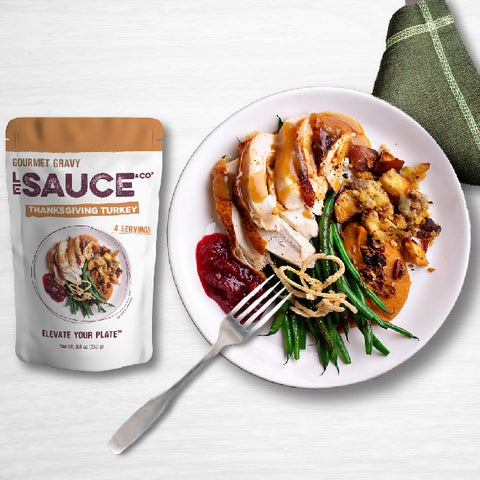
A sauce can turn simple grilled chicken, shrimp, steak, vegetables, or sandwiches into something that tastes finished. Le Sauce & Co. is especially helpful here because the whole idea is to make “Delicious Done Right” feel easy at home.
Gas Grill vs. Charcoal Grill: Which Is Easier?
A gas grill is usually easier for beginners because it heats quickly and lets you control the temperature with knobs.
A charcoal grill gives you more smoky flavor, but it takes longer to light, heat, and manage.
Here’s the simplest way to decide:
| Grill Type | Best For | Beginner-Friendly? |
|---|---|---|
| Gas grill | Quick weeknight dinners | Very |
| Charcoal grill | Smoky flavor and weekend cooking | Somewhat |
| Pellet grill | Low-and-slow cooking, smoky flavor | Yes, but usually pricier |
| Grill pan | Apartment or indoor cooking | Very |
If you have a grill, use what you have. Great grilling is not about owning the fanciest setup. It’s about heat, timing, and flavor.
The Most Important Grilling Rule: Preheat the Grill
Always preheat your grill.
This is the step people skip when they’re hungry, and it is also the step that makes food stick, cook unevenly, or miss that beautiful sear.
For most grilling, preheat for 10 to 15 minutes.
You want the grates hot before the food touches them. Hot grates help create grill marks, prevent sticking, and give your food that “yes, I absolutely know what I’m doing” look.
How Hot Should the Grill Be?
Here’s the easiest way to think about grill temperature:
| Heat Level | Temperature | Best For |
|---|---|---|
| Low heat | 250°F to 300°F | Slow-cooking larger cuts |
| Medium heat | 350°F to 400°F | Chicken, vegetables, sausages |
| Medium-high heat | 400°F to 450°F | Burgers, steaks, shrimp |
| High heat | 450°F+ | Quick searing |
For most beginner grilling, aim for medium to medium-high heat.
That range is hot enough to sear but not so hot that dinner turns into charcoal before you find your plate.
Direct Heat vs. Indirect Heat
This sounds fancy, but it’s simple.
Direct heat means the food is right over the flame or hot coals. Use this for quick-cooking foods like burgers, shrimp, thin steaks, hot dogs, and vegetables.
Indirect heat means the food is away from the flame. Use this for thicker foods that need more time, like bone-in chicken, ribs, or larger cuts of meat.
An easy beginner method is the two-zone setup:
One side of the grill is hot.
One side is cooler.
Start food on the hot side for color, then move it to the cooler side to finish cooking without burning.
It’s like having a stovetop and an oven in one place.
How to Keep Food From Sticking to the Grill
Food usually sticks because the grill is not hot enough, the grates are dirty, or the food was moved too early.
Here’s how to prevent sticking:
- Preheat the grill.
- Clean the grates.
- Lightly oil the food, not just the grill.
- Place food down and leave it alone.
- Flip when it naturally releases.
That last part matters. If chicken or steak is stuck, it may not be ready to flip yet. Give it another minute. The grill usually lets go when the sear is ready.
Kind of dramatic, but useful.
How Often Should You Flip Food on the Grill?
Most foods only need to be flipped once or twice.
Burgers, chicken, steak, and vegetables usually cook better when you give them time to sear on one side before flipping.
The exception is food that cooks quickly or has a sugary sauce. Sauced foods may need more attention because sugar can burn over high heat.
A good rule: season early, sauce late.
If you’re using a creamy, buttery, tomato-based, or sweet sauce, add it near the end of grilling or warm it separately and spoon it over the food after cooking.
What to Grill: Easy Ideas for Beginners
Here’s the fun part. Once you know the basics, almost anything can become a grill dinner.
1. Grilled Chicken
Chicken is one of the best things to grill because it goes with everything.
Best beginner cuts:
- Boneless chicken thighs
- Chicken drumsticks
- Chicken tenders
- Chicken breasts, if pounded evenly
For juicy grilled chicken, season it with salt, pepper, garlic powder, and olive oil. Grill over medium heat until cooked through, then let it rest.
Want to make it feel like a full dinner instead of “I grilled chicken and now what?” Spoon a warm sauce over the top. A rich sauce, like a Marry Me Chicken-style sauce, can make grilled chicken feel creamy, cozy, and restaurant-worthy without needing a complicated recipe.
2. Grilled Burgers
Burgers are the backyard classic for a reason.
Use ground beef with enough fat to stay juicy, form patties gently, and press a small dent in the center of each patty so it cooks evenly.
Do not smash the burger while it cooks unless you are intentionally making smash burgers. Pressing the patty squeezes out the juices, and the juices are the whole point.
3. Grilled Steak
Steak sounds intimidating, but it’s actually simple.
Season generously with salt and pepper. Grill over medium-high heat, flip once, and use a thermometer to hit your preferred doneness.
Let it rest before slicing. Always.
If you slice immediately, all those beautiful juices run onto the cutting board instead of staying in the steak.
4. Grilled Shrimp
Shrimp is the weeknight hero of the grill.
It cooks fast, looks impressive, and loves sauce.
Thread shrimp onto skewers, brush with oil, season lightly, and grill for just a few minutes per side. When shrimp turns pink and opaque, it’s done.
Serve it over rice, pasta, salad, or grilled bread with sauce spooned over the top.
5. Grilled Vegetables
Vegetables are amazing on the grill because heat brings out their sweetness.
Best vegetables to grill:
- Zucchini
- Bell peppers
- Mushrooms
- Corn
- Asparagus
- Eggplant
- Onions
- Romaine hearts
Cut vegetables into large enough pieces so they do not fall through the grates. Toss with oil, salt, and pepper, then grill until tender and slightly charred.
Finish with sauce, herbs, lemon, parmesan, or all of the above.
6. Grilled Corn
Corn on the grill tastes like summer.
You can grill corn in the husk, wrapped in foil, or directly on the grates. For the most char, grill it directly and turn often.
Add butter, salt, and sauce if you’re feeling bold. Which you should be.
7. Grilled Sausages
Sausages are easy, flavorful, and hard to mess up.
Cook them over medium heat and turn occasionally until browned and cooked through. Serve in buns, slice into pasta, or pair with grilled vegetables.
8. Grilled Flatbread or Pizza
Yes, you can grill bread. Yes, it is fantastic.
Flatbread gets crisp, smoky, and golden on the grill. Add toppings after the first side is grilled, then cover the grill briefly to melt everything.
Try grilled flatbread with chicken, vegetables, and a creamy sauce. It’s basically pizza with a glow-up.
9. Grilled Fruit
Fruit on the grill is wildly underrated.
Try:
- Pineapple
- Peaches
- Watermelon
- Bananas
- Mango
Grilling caramelizes the natural sugars and makes fruit taste sweeter and deeper. Serve with ice cream, yogurt, whipped cream, or a drizzle of honey.
Easy Grilling Time Chart
Use this as a beginner guide, but always check meat with a thermometer.
| Food | Grill Heat | Approximate Time |
|---|---|---|
| Burgers | Medium-high | 3–5 minutes per side |
| Boneless chicken thighs | Medium | 5–7 minutes per side |
| Chicken breasts | Medium | 6–8 minutes per side |
| Shrimp | Medium-high | 2–3 minutes per side |
| Steak | Medium-high | 4–6 minutes per side |
| Sausages | Medium | 12–18 minutes total |
| Zucchini | Medium-high | 3–4 minutes per side |
| Corn | Medium-high | 10–15 minutes total |
| Bell peppers | Medium-high | 4–5 minutes per side |
| Pineapple | Medium-high | 2–3 minutes per side |
The grill, thickness of the food, and outdoor temperature can all change timing. Use the chart as a starting point, not a courtroom statement.
How to Tell When Grilled Food Is Done
The easiest and safest way to tell when grilled meat is done is to use a meat thermometer.
Here are common internal temperature targets:
| Food | Internal Temperature |
|---|---|
| Chicken | 165°F |
| Turkey | 165°F |
| Ground beef burgers | 160°F |
| Pork chops | 145°F |
| Fish | 145°F |
| Shrimp | Pink, opaque, and firm |
For steak, doneness depends on preference:
| Steak Doneness | Internal Temperature |
|---|---|
| Rare | 125°F |
| Medium-rare | 135°F |
| Medium | 145°F |
| Medium-well | 150°F |
| Well-done | 160°F+ |
Pull steak off the grill a few degrees before your final goal because it continues cooking as it rests.
Should You Marinate Food Before Grilling?
You can, but you don’t always need to.
Marinades are great for adding flavor, especially to chicken, steak, pork, shrimp, and vegetables. But if you’re short on time, a simple mix of oil, salt, pepper, and sauce after grilling can still taste amazing.
Here’s the easiest beginner formula:
Oil + salt + pepper + heat + sauce = dinner.
That’s it. That’s the magic.
When Should You Add Sauce While Grilling?
Add sauce near the end of grilling or after the food is cooked.
This is especially important if the sauce contains sugar, dairy, or delicate ingredients that can burn or separate over high heat.
Best ways to use sauce with grilled food:
- Brush it on during the last few minutes.
- Warm it separately and spoon it over cooked food.
- Serve it on the side for dipping.
- Toss grilled vegetables in sauce after cooking.
- Use it as a sandwich, burger, or flatbread finish.
This keeps the sauce flavorful and smooth instead of scorched.
A Simple Beginner Grilling Formula
When you don’t know what to make, use this:
Choose one protein + one vegetable + one sauce + one easy side.
Examples:
Chicken thighs + grilled zucchini + creamy sauce + rice
Burgers + grilled onions + sauce + chips
Shrimp skewers + grilled corn + sauce + pasta salad
Steak + grilled peppers + sauce + toasted bread
Sausage + mushrooms + sauce + potatoes
You do not need a complicated recipe. You need a simple plan.
Easy Grilling Menu Ideas
The “I’m New Here” Grill Dinner
- Burgers
- Grilled corn
- Watermelon
- Chips
- Pickles
- Sauce for topping or dipping
The Weeknight Chicken Grill Dinner
- Grilled chicken thighs
- Grilled zucchini
- Rice or couscous
- Warm sauce spooned over everything
The Seafood Grill Dinner
- Shrimp skewers
- Grilled peppers
- Pasta salad
- Lemon wedges
- Sauce for drizzling
The Vegetarian Grill Dinner
- Grilled portobello mushrooms
- Corn
- Zucchini
- Flatbread
- Sauce for dipping or spreading
The “Looks Fancy, Was Easy” Grill Dinner
- Steak
- Grilled asparagus
- Crispy potatoes
- Sauce on the side
- Peaches with ice cream
This is how you become the person who “just threw something together” and somehow everyone remembers it.
Common Grilling Mistakes and How to Fix Them
Mistake 1: Not preheating the grill
Fix: Preheat for 10 to 15 minutes before adding food.
Mistake 2: Moving food too much
Fix: Put it down, let it sear, then flip.
Mistake 3: Cooking everything on high heat
Fix: Use medium or medium-high heat for most foods.
Mistake 4: Saucing too early
Fix: Add sauce near the end or after grilling.
Mistake 5: Cutting meat right away
Fix: Rest meat for 5 to 10 minutes before slicing.
Mistake 6: Guessing doneness
Fix: Use a thermometer. It is the least stressful option.
Mistake 7: Forgetting vegetables
Fix: Grill vegetables while the meat rests. Dinner instantly feels complete.
What Can You Grill Besides Meat?
So many things.
You can grill:
- Bread
- Pizza
- Romaine lettuce
- Avocado
- Halloumi
- Tofu
- Potatoes
- Sweet potatoes
- Cauliflower steaks
- Fruit
- Quesadillas
- Sandwiches
Grilling is not just for burgers and hot dogs. It’s basically a flavor shortcut for almost anything that can handle heat.
The Best Beginner Grilling Tips
Here are the tips worth remembering:
- Preheat the grill.
- Clean the grates.
- Oil the food.
- Use medium or medium-high heat.
- Do not flip too early.
- Keep the lid closed when you want steady heat.
- Use a thermometer for meat.
- Let meat rest.
- Add sauce at the end.
- Keep it simple.
Simple food tastes amazing on the grill because the grill does a lot of the work for you.
The Easiest Grilled Chicken Dinner
Here’s a no-fuss dinner you can make again and again.
Ingredients
- Boneless chicken thighs
- Olive oil
- Salt
- Pepper
- Garlic powder
- Zucchini or bell peppers
- Rice, pasta, potatoes, or bread
- Your favorite Le Sauce & Co. sauce
Instructions
- Preheat the grill to medium heat.
- Pat the chicken dry.
- Rub with olive oil, salt, pepper, and garlic powder.
- Slice vegetables into grill-friendly pieces.
- Grill chicken for 5 to 7 minutes per side, until cooked through.
- Grill vegetables until tender and lightly charred.
- Let chicken rest for 5 minutes.
- Warm sauce separately or spoon it over the chicken after grilling.
- Serve with your favorite side.
That’s dinner. No panic required.
Final Answer: What Should You Grill First?
If you are learning how to grill, start with burgers, chicken thighs, shrimp, zucchini, corn, or sausages. They cook quickly, taste great, and do not require advanced grilling skills.
The real secret is this: grilling does not have to be perfect to be delicious.
Preheat the grill. Keep the food simple. Use a thermometer. Add a great sauce. Eat outside if you can.
That’s grilling.
And honestly? That’s a pretty excellent way to do dinner.
FAQs About Grilling
What is the first thing to do before grilling?
The first thing to do before grilling is preheat the grill. A hot grill helps prevent sticking, creates better grill marks, and cooks food more evenly.
What is the easiest meat to grill?
Boneless chicken thighs, burgers, sausages, and shrimp are some of the easiest meats to grill. Chicken thighs are especially beginner-friendly because they stay juicy.
Should I grill with the lid open or closed?
Grill with the lid open for quick searing and foods that cook fast. Close the lid when cooking thicker foods or when you want steady, oven-like heat.
How do I know when chicken is done on the grill?
Chicken is done when it reaches an internal temperature of 165°F. Use a meat thermometer to check the thickest part.
What vegetables are best for grilling?
Zucchini, bell peppers, corn, mushrooms, onions, asparagus, eggplant, and romaine are all great vegetables for grilling.
Do you put sauce on before or after grilling?
Usually, add sauce near the end of grilling or after the food is cooked. This prevents burning and keeps the sauce tasting fresh.
What should a beginner grill first?
A beginner should start with burgers, chicken thighs, shrimp skewers, sausages, zucchini, or corn. These foods are simple, flavorful, and forgiving.




Comments (0)
There are no comments for this article. Be the first one to leave a message!